
The Biggest Challenges Call Centers Face Today — And How AI Is Solving Them
Modern call centers face rising costs, agent burnout, long wait times, and higher customer expectations. Learn the key challenges and how AI is helping teams solve them efficiently.


Latest articles
How AI Reduces Call Center Costs (Real-World Scenarios)
How AI Is Improving Call Centers in 2026
Running a call center today is more complex than ever. Rising customer expectations, increasing operational costs, agent burnout, and fragmented technology stacks have turned what was once a straightforward operation into a high-pressure, always-on environment.
Customers want fast, personalized support across multiple channels. Agents are expected to resolve issues quickly while juggling multiple tools. And managers are under constant pressure to improve efficiency without sacrificing service quality.
The good news? Artificial intelligence is no longer a futuristic concept in call centers. When applied correctly, AI is already helping teams solve many of the industry’s most persistent problems.
Below, we break down the biggest challenges call centers face today — and explain how AI is helping solve them in practical, measurable ways.
1. Long Wait Times and High Call Volumes
One of the most visible problems in any call center is long wait times. During peak hours, seasonal spikes, or unexpected issues, call queues grow quickly, frustrating customers and overwhelming agents.
When customers wait too long, abandonment rates increase, satisfaction drops, and brand trust erodes.
How AI helps
AI reduces pressure on queues by handling repetitive, low-complexity requests before they ever reach a human agent. Intelligent routing systems can also analyze intent and direct calls to the right destination faster.
Key AI benefits:
Automated handling of FAQs and basic requests
Smarter call routing based on intent and history
Reduced average wait time and abandonment rates
2. Agent Burnout and High Turnover
Call center work is demanding. Repetitive tasks, emotionally charged conversations, and constant performance metrics take a toll on agents. Burnout leads to high attrition, which increases hiring and training costs while reducing service consistency.
Replacing experienced agents is expensive — and disruptive.
How AI helps
AI doesn’t replace agents; it removes the most draining parts of their job. By automating repetitive work and assisting during live calls, AI allows agents to focus on meaningful conversations instead of administrative tasks.
Key AI benefits:
Automated call summaries and note-taking
Real-time prompts and guidance during calls
Reduced cognitive load and stress
3. Inconsistent Customer Experience
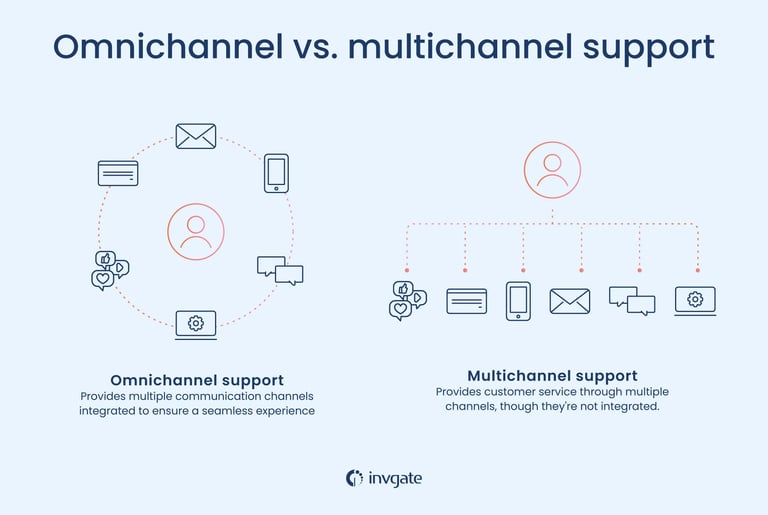
Customers expect consistency. But when agents lack full context or use disconnected tools, experiences vary wildly from one interaction to the next. Repeating information frustrates customers and slows resolution times.
Consistency is especially hard to maintain across multiple channels.
How AI helps
AI centralizes customer context and makes it available in real time. With conversation history, sentiment signals, and intent analysis, agents can deliver more consistent and personalized experiences.
Key AI benefits:
Unified customer context across interactions
Personalized responses without manual effort
Higher first-contact resolution rates
4. Poor Visibility Into Performance and Quality
How AI helps
AI can analyze a large portion — or even all — customer interactions, identifying trends, compliance risks, and coaching opportunities automatically.
Key AI benefits:
Scalable call analysis without manual reviews
Faster feedback loops for agents
Data-driven coaching and performance insights
5. Fragmented Systems and Inefficient Workflows
Many call centers rely on multiple disconnected tools: one for calls, another for chat, another for reporting. Constant context switching slows agents down and increases error rates.
Inefficient workflows compound over time and limit scalability.
How AI helps
AI acts as a connective layer between systems, reducing friction and automating routine workflows that would otherwise require manual effort.
Key AI benefits:
Fewer manual steps during interactions
Smoother handoffs between systems
Faster resolution times
6. Scaling Without Losing Quality
Growth is a good problem to have — until systems and teams can’t keep up. Scaling a call center traditionally means hiring more agents, increasing costs, and risking inconsistent service.
Without the right tools, quality often declines as volume increases.
How AI helps
AI allows call centers to scale support capacity without a linear increase in headcount. Automation absorbs volume while human agents focus on complex, high-value interactions.
Key AI benefits:
Elastic capacity during peak demand
Lower marginal cost per interaction
Consistent service at scale
7. Compliance and Risk Management
Call centers operate under strict regulations, especially in industries like finance and healthcare. Manual monitoring increases the risk of missed violations, inconsistent disclosures, and costly penalties.
Compliance failures can damage both revenue and reputation.
How AI helps
AI continuously monitors conversations, flags potential risks, and ensures required steps are followed — without relying solely on manual audits.
Key AI benefits:
Consistent compliance monitoring
Early detection of risky interactions
Reduced exposure to fines and disputes
Why AI Is Becoming Essential for Call Centers
AI isn’t just a productivity tool — it’s becoming a foundational layer for modern call center operations. Teams that adopt AI strategically are better equipped to handle growth, protect agent wellbeing, and deliver the level of experience customers now expect.
The most successful call centers don’t replace humans with AI. They use AI to amplify human performance, reduce friction, and create more sustainable operations.
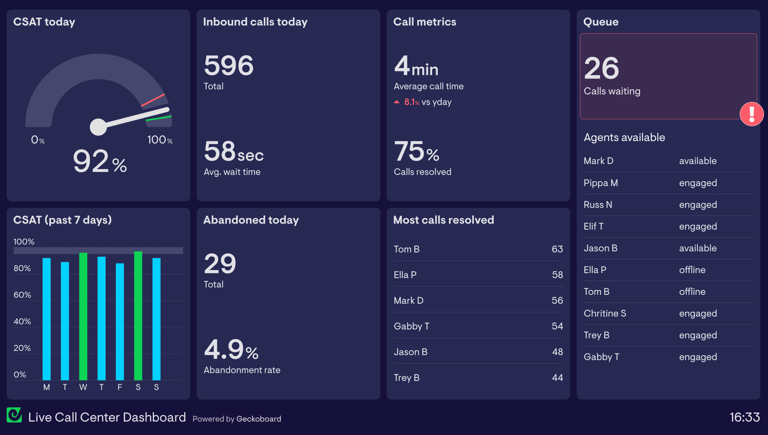
Traditional quality assurance relies on manually reviewing a small sample of calls. This approach misses patterns, delays feedback, and makes it hard to coach agents effectively.
Managers often lack real-time visibility into what’s actually happening on the floor.
Final Thoughts
Call centers face more pressure today than ever before. Long wait times, rising costs, agent burnout, and inconsistent experiences aren’t isolated issues — they’re interconnected challenges.
AI doesn’t magically solve everything. But when applied thoughtfully, it directly addresses the root causes behind many of these problems, helping call centers operate more efficiently, scale responsibly, and deliver better customer experiences.
What is the biggest challenge facing call centers today?
Long wait times combined with rising customer expectations remain one of the most critical challenges for call centers.
FAQs
Can AI replace human call center agents?
No. AI is best used to support agents by automating repetitive tasks and providing real-time assistance, not replacing human judgment and empathy.
How does AI improve call center efficiency?
AI reduces manual work, improves routing, analyzes conversations at scale, and helps teams resolve issues faster with fewer resources.
Is AI only useful for large call centers?
No. Small and mid-sized call centers often benefit even more, as AI helps them scale efficiently without large staffing increases.

About ManuOps
This blog explores how artificial intelligence is improving modern call centers, with a focus on real-world applications, customer experience, and human–AI collaboration.
Contact
Questions? Reach out anytime.
Links
contact@manuops.io
© 2025 ManuOps. All rights reserved.