
What Is Call Center Automation? A Beginner’s Guide (With Real Examples)
Learn what call center automation is, how it works, real examples, benefits, and when to use AI without replacing human agents.


Customer expectations have changed dramatically over the last few years. People want instant answers, minimal wait times, and support available whenever they need it. At the same time, call center agents are under more pressure than ever, handling higher call volumes, repetitive questions, and increasingly complex customer issues.
This is where call center automation comes in.
If you’re new to the concept, this guide will walk you through what call center automation really means, how it works in practice, and when it makes sense to use it (and when it doesn’t). No technical jargon. No software sales pitch. Just a clear, practical explanation.
What Is Call Center Automation?
Call center automation is the use of technology to handle repetitive and predictable customer interactions without requiring a human agent every time.
Instead of agents answering the same questions over and over, automated systems can:
Understand why a customer is calling
Provide instant answers to simple requests
Route calls to the right agent when human help is needed
Assist agents during and after live calls
Automation doesn’t replace people. It removes friction, so agents can focus on conversations that actually require judgment, empathy, and problem-solving.
Traditional Call Centers vs Automated Call Centers
In a traditional call center environment, customers often spend time waiting on hold while calls are routed through rigid menus or handled manually. Agents are responsible for everything, from answering simple questions to managing complex complaints, and scaling the operation usually means hiring more people.
In an automated call center, the experience is very different. Customers receive instant responses for common issues, calls are routed intelligently based on intent and priority, and agents receive real-time assistance while handling live conversations. As demand grows, the operation can scale more efficiently without increasing headcount at the same rate. The difference is not only about speed, but also about efficiency and overall experience for both customers and agents.
How Call Center Automation Works (Simple Breakdown)
At a high level, automation follows a predictable flow:
Intent detection
The system identifies why the customer is calling or messaging (billing, support, sales, etc.).Self-service or routing
Simple requests are handled automatically
More complex issues are routed to the best available agent
Agent assistance
During live calls, automation can suggest responses, pull customer data, or handle note-taking.Post-call automation
After the interaction, the system logs the call, updates records, and triggers follow-ups automatically.
This entire process happens in seconds, often without the customer realizing automation is involved.
Common Tasks That Can Be Automated
Not everything should be automated, but many tasks are perfect candidates:
Password resets
Order status checks
Appointment scheduling
Billing inquiries
Call routing and triage
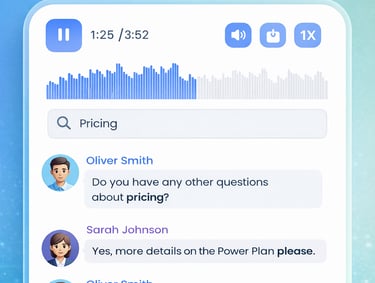
Call summaries and note-taking
CRM updates and data entry
These tasks usually make up a large percentage of total call volume and add little strategic value when handled manually.
Technologies Behind Call Center Automation
You don’t need to be technical to understand the basics:
AI & Machine Learning – Learn from interactions and improve over time
Natural Language Processing (NLP) – Understand what customers say in natural language
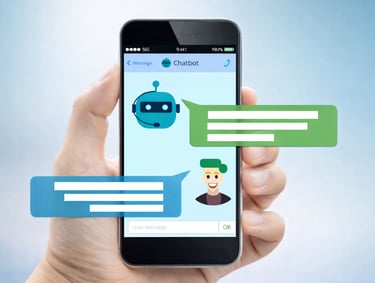
Chatbots & Voice Assistants – Handle conversations through chat or voice
IVR Systems – Guide callers through automated voice menus
Robotic Process Automation (RPA) – Handle backend tasks like data updates
Analytics & Reporting – Track performance and customer satisfaction
Together, these technologies create a system that feels responsive instead of robotic.
Benefits of Call Center Automation
When implemented correctly, automation delivers clear advantages:
Faster resolutions
Customers get answers immediately instead of waiting on hold.
Lower operational costs
Routine tasks are handled automatically, reducing the need for additional staff.
Happier agents
Agents spend less time on repetitive work and more time solving meaningful problems.
Consistent service
Customers receive accurate, standardized answers across channels.
Scalability
Call centers can handle growth and peak demand without burning out teams.
Real Examples of Call Center Automation
In real-world call centers, automation often appears in subtle but impactful ways. A chatbot may answer frequently asked questions on a website and schedule a callback when needed. An intelligent IVR system may route billing-related calls directly to billing specialists. AI tools may transcribe calls and generate summaries automatically, while skill-based routing ensures customers are connected to the most qualified agent. Automated follow-ups can also be used to send surveys or confirmation messages after an interaction.
From the customer’s perspective, this does not feel like automation. It simply feels like faster, smoother support.
When You Should NOT Automate
Short answer: No.
AI is designed to handle volume, while humans handle nuance. The most effective call centers use automation to support and augment agents rather than eliminate them. When repetitive work is removed, agents become more empathetic, more effective, and ultimately more valuable to the organization.
Does AI Replace Human Agents?
Automation isn’t a silver bullet. Some interactions should remain human-led:
Emotional or sensitive situations
Complex complaints or escalations
High-value sales conversations
Compliance-heavy discussions
Negotiations or personalized advice
The goal is balance, not full replacement.
Final Thoughts
Call center automation isn’t about robots taking over customer service. It’s about designing smarter systems that respect both customers’ time and agents’ energy.
If you’re getting started, the best approach is simple:
Identify repetitive tasks
Automate one area at a time
Measure results
Expand gradually
When done right, automation transforms the call center from a cost center into a competitive advantage.
In the next article, we’ll explore how AI reduces call center costs in real-world scenarios.




About ManuOps
This blog explores how artificial intelligence is improving modern call centers, with a focus on real-world applications, customer experience, and human–AI collaboration.
Contact
Questions? Reach out anytime.
Links
contact@manuops.io
© 2025 ManuOps. All rights reserved.